
THE MUNICIPALITY OF MULGRAVE-ET-DERRY WILL BE CLOSED MONDAY, OCTOBER 12, 2026 FOR THANKSGIVING DAY. THANK YOU FOR YOUR UNDERSTANDING !
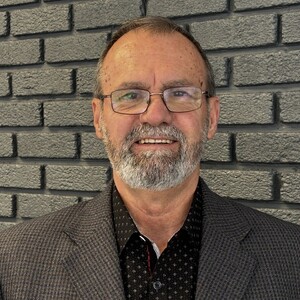
Representative on the Council of Mayors of the Municipalité régionale de comté (MRC)
The Mayor of the Municipality may, at any time, attend to a committee meeting. However, he does not have the right to vote or make recommendations when he is on the committee.
Training:

Member of the Public Safety and Public Works Committee
Training:

Member of the Planning and Environmental Advisory Committee
Member of the Municipal Transparency Advisory Committee
Member of the Municipal Finance Advisory Committe
Training:
Understanding Municipal Operations and the Role of an Elected Official, November 2025
Municipal Ethics and Professional Conduct, December 2025
Training for Members of Planning Advisory Committees (CCU), juin 2024
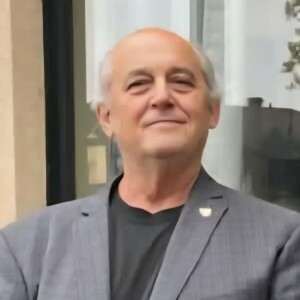
Member of the Municipal Services Advisory Committee
Member of the Public Safety and Public Works Committee
Training:
Understanding Municipal Operations and the Role of an Elected Official, November 2025
Municipal Ethics and Professional Conduct, December 2025

Member of the Planning and Environmental Advisory Committee
Member of the Culture and Recreation Committee
Training:
Understanding Municipal Operations and the Role of an Elected Official, December 2025
Municipal Ethics and Professional Conduct, March 2026

Member of the Municipal Transparency Advisory Committee
Member of the Municipal Finance Advisory Committee
Training:
Understanding Municipal Operations and the Role of an Elected Official, November 2025
Municipal Ethics and Professional Conduct, December 2025
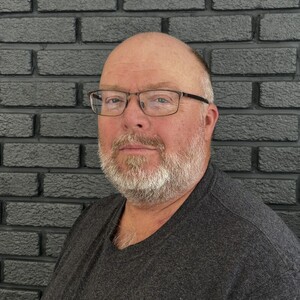
Member of the Municipal Services Advisory Committee
Training:
Understanding Municipal Operations and the Role of an Elected Official, November 2025
Municipal Ethics and Professional Conduct, December 2025
Real conflict - direct: A conflict is real when it exists or has existed in fact. The individual has actual personal interests that directly influenced their decision-making in the exercise of their public duties for the public.
Potential conflict - indirect: Under the current circumstances and based on the individual's position and assigned duties, no conflict is present. However, there is a possibility of a conflict of interest arising if the individual's duties and responsibilities change. A conflict is therefore potential when it exists in possibility, is hypothetical, and has not yet materialized. A potential conflict of interest is reasonably foreseeable in the future.
Apparent conflict: An apparent conflict exists when the interests involved are likely to unduly influence the performance of an elected official's duties, but in reality, this is not the case. An apparent conflict of interest is a situation that could reasonably be perceived as a conflict of interest by an outside observer, whether or not this is actually the case.
Preparatory working meetings: Most municipalities hold preparatory working meetings before regular council meetings. These meetings allow elected officials to agree on the agenda, review certain files in greater depth, and hold substantive discussions on matters requiring further reflection. As an elected official, you have privileged access to municipal documents. Any document relevant to decision-making should normally be provided at least 72 hours before a regular meeting (Cities and Towns Act, s. 319; Municipal Code, s. 148). These meetings also give elected officials the opportunity to ask questions, request information, and ensure they are not in a conflict of interest. When an elected official is in a conflict of interest—whether real “direct,” potential “indirect,” or apparent—they must leave the preparatory working meeting in order to comply with the code of ethics.
Council meeting: The municipal council meeting is when decisions are made. The mayor is not required to vote but may exercise a casting vote to break a tie. As a councillor, the elected official is required to vote unless they are in a direct “real,” indirect “potential,” or apparent conflict of interest. In such cases, the elected official must abstain from participating in deliberations (leave the council chamber) and refrain from voting on the matter (Cities and Towns Act, s. 328; Municipal Code, s. 164).
-